Living Holy: Embracing a Life of Purpose and Integrity
By BrandonunderChrist | Sep 21, 2024Living a holy life often seems daunting, filled with expectations and guidelines that can feel overwhelming. I believe that living holy means embracing a way of life that reflects integrity, kindness, and respect for oneself and others. It's not merely about adhering to rules; it’s about cultivating a genuine relationship with who we are and how we interact with the world.

In my journey, I've discovered that living holy doesn't require perfection. It's about striving for personal growth and being mindful of our choices. Making small, intentional decisions daily can lead to a more fulfilling and meaningful life, allowing us to express our values through our actions.
As I explore the concept of holiness, I'll share insights and practical tips that I’ve found valuable. By examining what it truly means to live holy, I hope to inspire others to reflect on their own lives and seek ways to incorporate holiness into their daily routines.
Understanding Holiness

Holiness encompasses a profound commitment to living in a way that reflects a sacred or moral standard. I will explore how this concept is understood within various religious contexts and trace its historical significance.
The Concept of Holiness in Religion
In many religions, holiness represents a state of being that is set apart. It often involves adhering to spiritual laws and moral conduct deemed necessary to connect with the divine.
For example, in Christianity, holiness is linked to God’s nature. Adherents are called to emulate this divine purity in their lives. Similarly, in Judaism, the concept of Kedushah emphasizes a distinct lifestyle reflecting God’s presence.
Moreover, Hinduism identifies holiness through rituals and practices aimed at purification. Sacred texts advocate for living a life aligned with Dharma, or righteous duty. This multifaceted perspective shows how holiness serves as a guiding principle for believers, shaping their behavior and choices.
The Historical Perspective of Holiness
Historically, the idea of holiness has evolved significantly across cultures. In ancient societies, holiness often intertwined with the concept of sacred places and rituals. Temples, altars, and natural landmarks served as focal points for worship and reflection.
During the Middle Ages, holiness became more institutionalized. The Church positioned itself as the mediator between the sacred and the secular. This led to a heightened emphasis on moral behaviors and adherence to specific doctrines.
Additionally, the Reformation challenged traditional views of holiness, advocating for personal faith over institutional dictates. In contemporary contexts, I see a growing trend towards individual interpretations of holiness, influenced by personal experiences and societal shifts. This shift continues to shape how holiness is perceived and practiced today.
The Holy Life in Practice

Living a holy life involves intentional actions that reflect my values and beliefs. It requires focusing on personal conduct and integrating meaningful rituals into my daily routine.
Personal Conduct and Virtues
My personal conduct is central to embodying a holy life. I strive to cultivate virtues such as kindness, integrity, and humility.
-
Kindness: I make a conscious effort to treat others with respect and compassion. Small acts of kindness can have a significant impact.
-
Integrity: Upholding honesty in every situation helps me maintain trust in my relationships.
-
Humility: I recognize my limitations and remain open to learning from others.
Every decision I make should reflect these values. By practicing self-reflection, I stay aligned with my goals.
Daily Rituals and Habits
Incorporating daily rituals strengthens my commitment to living a holy life. These practices ground me and reinforce my intentions.
-
Meditation: I dedicate time each day to quiet contemplation, helping me connect with my inner self.
-
Gratitude Journaling: I jot down three things I am grateful for daily. This practice fosters a positive mindset.
-
Service: Engaging in community service allows me to give back and find purpose beyond myself.
By consistently applying these habits, I cultivate a holy living experience that influences both my life and those around me.
Communal Aspects of Holiness
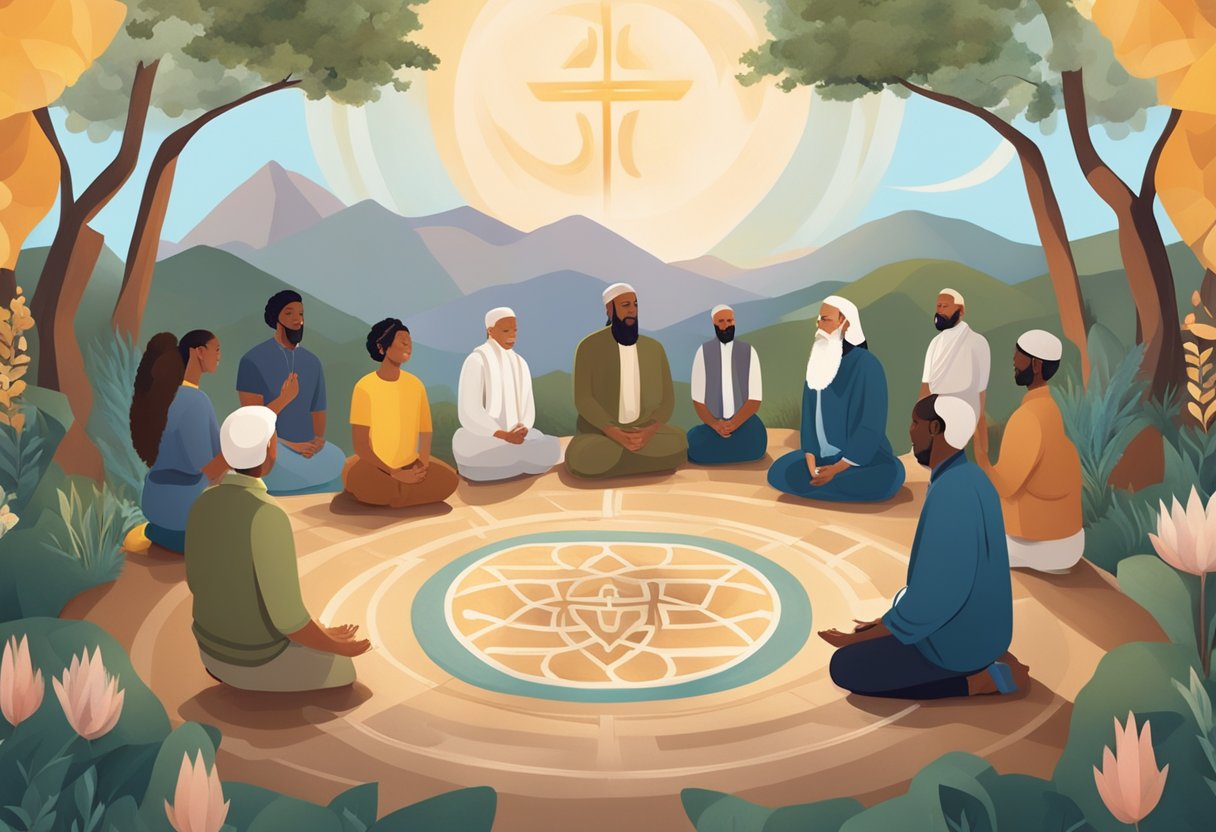
Holiness often finds expression in community settings. The strength of shared beliefs and collective experiences plays a critical role in the pursuit of a holy life. Two significant aspects of communal holiness are the importance of gatherings for worship and the practice of altruistic service.
Holy Gatherings and Communal Worship
Participating in holy gatherings creates a space for united spiritual growth. These gatherings can be in places of worship, homes, or even outdoor settings.
I find that rituals performed together reinforce a sense of belonging and devotion. Activities like communal prayers, singing, and reading sacred texts strengthen individual faith through shared experience.
Here are some key elements:
- Regularity: Weekly services or special events foster community bonds.
- Inclusivity: Engaging all members, regardless of their background, enhances unity.
- Shared Purpose: Encouraging discussions on faith promotes deeper understanding.
In these settings, the collective energy often elevates individual spiritual experiences.
Service and Altruism
Service to others embodies the communal aspect of holiness. By helping those in need, I fulfill my spiritual obligations and contribute to the well-being of my community.
Acts of altruism can take many forms, such as volunteering, mentoring, or supporting local charities. Engaging in service not only aids others but also enriches my own spiritual journey.
Key practices include:
- Organized Volunteering: Many communities set up events where members can work together for a cause.
- Resource Sharing: Pooling resources for those less fortunate exemplifies communal care.
- Education and Mentorship: Sharing knowledge fortifies community ties.
These acts create a cycle of giving and receiving, ultimately fostering a deeper sense of holiness within communal life.
Challenges to Living a Holy Life

Living a holy life poses several challenges that can hinder one's spiritual journey. Distractions in the modern world and personal doubts can create obstacles to achieving holiness.
Modern-Day Distractions
I often find that the fast pace of contemporary life contributes to a loss of focus on spiritual pursuits. Social media, technology, and constant connectivity compete for my attention. These distractions can detract from prayer, reflection, and community engagement.
To manage these distractions, I adopt specific strategies. Setting aside dedicated time for spiritual practices helps. I also limit social media use and choose activities that foster connection with my faith. Prioritizing silence or solitude aids in centering my thoughts and refocusing my heart.
Dealing with Doubt and Failure
Doubt is a common experience in my spiritual life. Questions about faith often arise, leading me to feel disconnected from my principles. When failure occurs—be it moral or spiritual—I grapple with feelings of inadequacy.
To counter these feelings, I remind myself that faith is a journey. Engaging with supportive communities can provide encouragement. I also turn to scripture and prayer, seeking guidance and insight during these challenging moments. Acceptance of my imperfections becomes essential for growth. This perspective allows me to move forward with renewed strength and clarity.
Guidance and Leadership

Guidance and leadership play essential roles in living a holy life. Religious leaders and mentors provide direction, support, and wisdom to individuals seeking to deepen their spiritual journey.
Roles of Religious Leaders
Religious leaders serve as spiritual guides for their communities. They interpret sacred texts, offer counsel, and facilitate rituals that foster a sense of belonging. Their teachings provide a moral framework that aids individuals in navigating complex situations.
Key responsibilities:
- Teaching: Leaders educate their followers on spiritual practices and values.
- Counseling: They provide personal guidance for life challenges.
- Community Building: Leaders create spaces for fellowship and mutual support.
In my experience, effective leaders embody the principles they teach, making them relatable and trustworthy. This authenticity encourages congregants to seek deeper connections with their faith.
The Importance of Mentorship
Mentorship is vital for spiritual growth. A mentor provides personalized guidance, wisdom, and accountability. This relationship fosters a supportive environment where individuals can explore doubts and questions about their beliefs.
Benefits of mentorship include:
- Individualized Support: Mentors address specific concerns unique to the mentee.
- Skill Development: They help hone spiritual practices, such as prayer or meditation.
- Strengthening Faith: A mentor can inspire greater commitment to one's beliefs.
Through mentorship, I have seen individuals grow in confidence and understanding of their faith. This growth transforms not only the individual but also enriches the entire community.
Holiness Across Cultures

Exploring holiness reveals diverse expressions and practices across various cultures. Each tradition offers unique insights while sharing universal elements that underscore the sacred.
Comparative Spiritual Practices
Different cultures employ varied practices to attain holiness. In Hinduism, rituals like puja serve to honor deities and purify the mind. Meditation is a foundational practice, fostering inner peace and connection to the divine.
In Christianity, prayer and sacraments are central to experiencing holiness. Regular church attendance supports collective worship, reinforcing spiritual bonds.
Buddhism emphasizes mindfulness and rituals as pathways to enlightenment. Simple practices, such as chanting, facilitate focus and spiritual clarity. Each tradition reflects unique cultural values while pointing to a shared quest for the sacred.
Universal Themes of Sanctity
While practices may differ, several themes of sanctity persist across cultures. Purity is a common ideal, frequently associated with spiritual cleanliness or moral integrity. Many traditions emphasize the necessity of cleansing the body and soul before engaging in sacred activities.
Community plays a vital role in fostering holiness. Many spiritual experiences are enriched through shared practice that unites individuals. Rituals often create strong communal ties, reinforcing the collective pursuit of the sacred.
Finally, transcendence is a shared aspiration. Different paths aim to connect practitioners with something greater than themselves, whether through nature, divine entities, or universal truths. This search for higher meaning is a profound, unifying theme in the diverse landscape of holiness.
Personal Reflection and Growth

Engaging in personal reflection and growth is essential for living a holy life. It involves deep contemplation and a commitment to a journey of continuous improvement.
Contemplation and Meditation
I find that setting aside time for contemplation is crucial. During these moments, I focus on my thoughts, feelings, and experiences. I often look for ways my actions align with my values.
Meditation allows me to clear my mind and gain clarity. I typically start with deep breathing and focus on the present moment. Practicing gratitude is another component I utilize, which enhances my awareness of the blessings around me.
This practice aids in recognizing areas for growth. By understanding my motivations and shortcomings, I can make more informed decisions.
The Continuous Journey
Personal growth is not a destination but an ongoing journey. I actively seek opportunities to expand my understanding of holiness.
Reading spiritual texts and engaging in discussions with others helps me gather different perspectives. Workshops and retreats are also beneficial; they immerse me in communities focused on shared values.
I maintain a growth mindset, embracing challenges and learning from setbacks. Setting specific, measurable goals provides direction and helps me track progress.
This journey involves patience and consistency. I remind myself that every small step contributes to my spiritual development.
Resources for Further Exploration

I recommend a variety of resources to deepen your understanding of living holy.
Books:
- The Pursuit of Holiness by Jerry Bridges
- Holy Living by John Owen
- The Holiness of God by R.C. Sproul
Online Courses:
- Coursera: Spiritual Formation and Holiness
- Udemy: Living a Purposeful Life
- edX: Faith and Living
Podcasts:
- "Rethinking Faith"
- "The Holiness Podcast"
- "Living a Holy Life"
Websites:
Community Resources:
- Local church study groups
- Retreats focused on spiritual growth
- Workshops on living with purpose
These resources provide valuable insights and practical guidance. Engaging with them can enrich my journey toward living a holy life.